Are you ready to unlock the secrets to top-notch auto insurance coverage in Warwick, RI? Look no further than Allstate, where protecting what matters most is our top priority. Whether you’re cruising down the scenic roads or navigating through the bustling streets, Allstate offers a range of tailored auto insurance solutions designed to fit your unique needs and keep you confidently covered.
Imagine driving with the peace of mind knowing you have a reliable partner by your side. With Allstate, you’re not just a policy number; you’re part of a community that values safety, trust, and unparalleled service. Our comprehensive coverage options, competitive rates, and dedicated customer support make Allstate the ideal choice for residents in Warwick seeking quality auto insurance. Let us guide you through the process and help you make informed decisions that safeguard both your vehicle and your wallet.
Overview of Allstate Auto Insurance in Warwick, RI
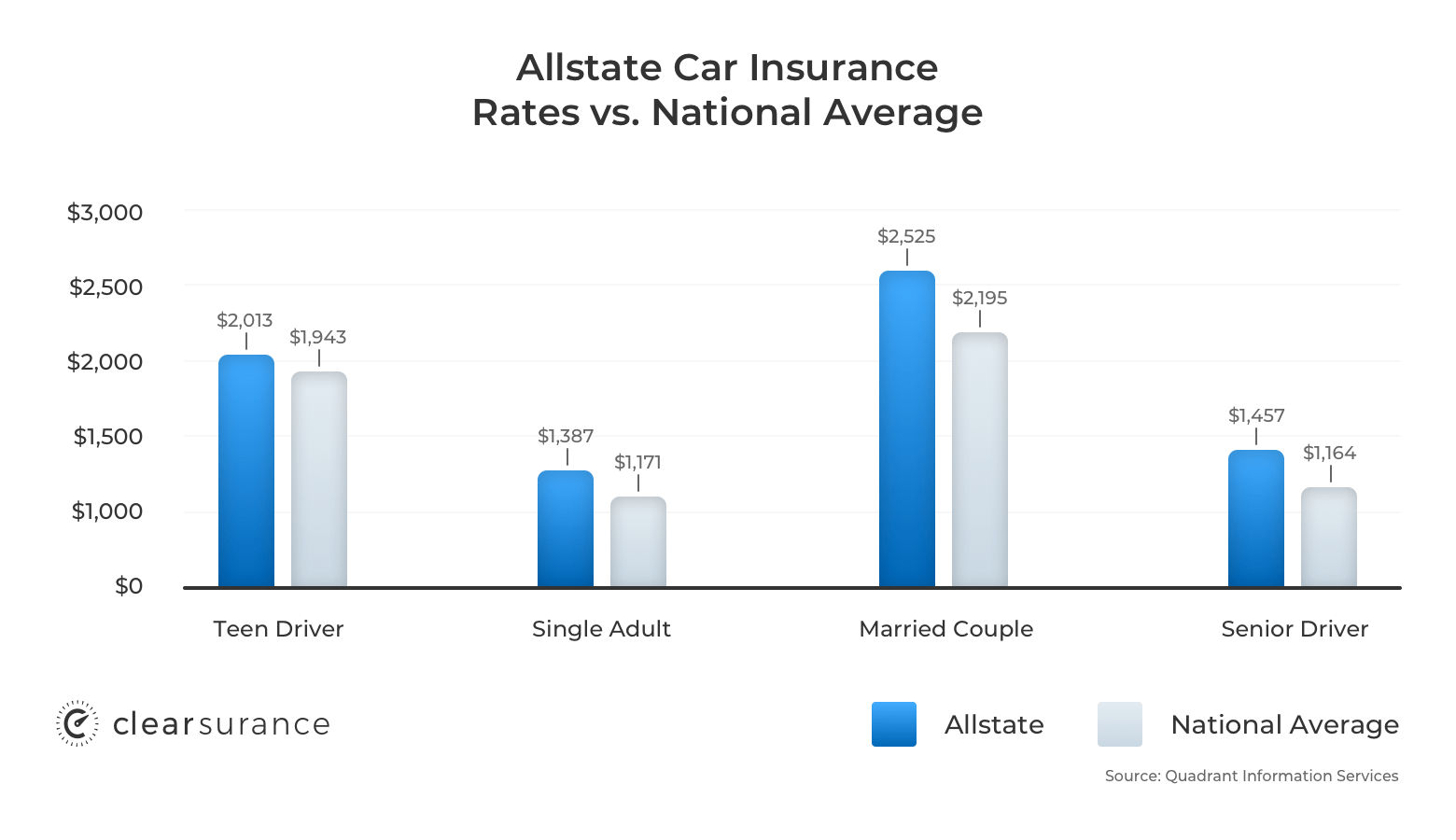
Allstate is a renowned name in the insurance industry, offering comprehensive auto insurance solutions in Warwick, RI. Designed to meet the unique needs of residents, Allstate’s auto insurance plans provide peace of mind on the road.
With a focus on reliability and customer satisfaction, Allstate offers a variety of coverage options and exceptional service to its customers in Warwick.
Comprehensive Coverage Options for Every Driver
Allstate auto insurance in Warwick, RI, offers an extensive range of coverage options to cater to diverse driving needs. Whether you’re seeking basic liability coverage or more extensive protection, Allstate has tailored solutions for you. The coverage options include:
- Liability Coverage: Protects you from financial loss if you’re found at fault in an accident.
- Collision Coverage: Covers damages to your vehicle resulting from a collision with another vehicle or object.
- Comprehensive Coverage: Offers protection against theft, vandalism, and natural disasters.
- Personal Injury Protection: Covers medical expenses and lost wages regardless of fault.
- Uninsured/Underinsured Motorist Coverage: Protects you if you’re involved in an accident with an uninsured or underinsured driver.
Benefits of Choosing Allstate in Warwick, RI
Opting for Allstate auto insurance in Warwick brings a suite of advantages. One of the standout benefits is the availability of discount programs that can help reduce your premiums significantly. These discounts include safe driver discounts, multi-policy discounts, and more. Furthermore, Allstate provides a plethora of resources and tools to help policyholders manage their coverage conveniently online.
“You’re in good hands with Allstate.”
Dedicated Customer Service and Support
Allstate prides itself on delivering exceptional customer service to its clients in Warwick, RI. The local agents are committed to assisting you with any inquiries or claims efficiently and courteously. Allstate’s customer service is accessible both online and via phone, ensuring that help is readily available whenever you need it.
In addition, Allstate offers a user-friendly mobile app that allows you to manage your policy, file claims, and access roadside assistance on the go. This commitment to customer support ensures that your experience with Allstate is seamless and stress-free.
Factors Affecting Auto Insurance Rates in Warwick, RI
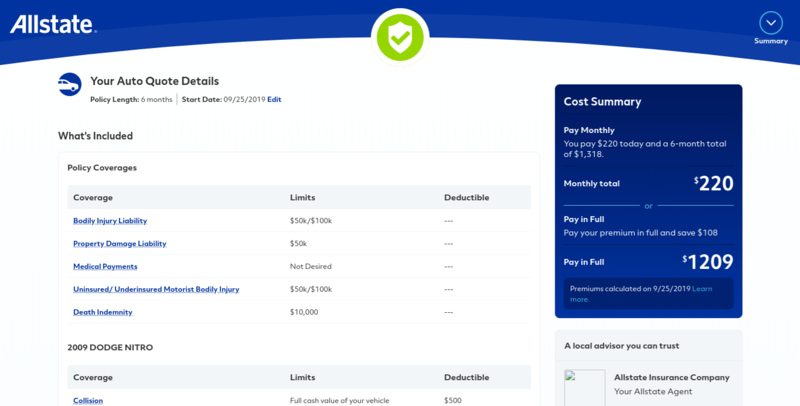
When it comes to auto insurance in Warwick, RI, several factors can significantly influence your rates. Understanding these variables can help you make informed decisions and potentially save money on your insurance premiums.
Different elements like your vehicle type, driving history, and even your neighborhood play crucial roles in determining how much you pay for car insurance. Let’s dive deeper into each of these factors and see how they can affect your insurance costs.
Influence of Vehicle Type and Driving History
Your choice of vehicle can have a substantial impact on your insurance rates. High-performance cars or vehicles with expensive parts often lead to higher premiums due to their increased risk of theft or costlier repairs. On the other hand, cars with advanced safety features might earn you a discount.
Moreover, your driving history is a critical factor. A clean record can make you eligible for lower rates, while a history of accidents or violations can significantly raise your premiums. Insurance companies assess your risk based on past behavior, so maintaining a safe driving record is imperative.
Role of Location and Neighborhood
Where you live in Warwick also affects your auto insurance rates. Insurance providers consider the crime rates, traffic conditions, and even weather patterns of your area. Living in a neighborhood with high crime rates or heavy traffic can result in higher premiums due to the increased likelihood of accidents or theft.
| Factor | Impact on Rates in Warwick, RI | Impact on Rates in Other Regions |
|---|---|---|
| Vehicle Type | Sports cars increase premiums | Similar trend observed |
| Driving History | Clean record reduces rates | Consistently important across regions |
| Location/Neighborhood | High-crime areas increase rates | Varies significantly by region |
“Your lifestyle choices and environment significantly shape your auto insurance rates.”
Methods to Obtain Lower Allstate Insurance Rates
In the bustling town of Warwick, RI, finding ways to reduce your auto insurance premiums can feel like a treasure hunt. Fortunately, with Allstate, there are several innovative strategies you can employ to keep more cash in your pocket while ensuring comprehensive coverage.
Let’s explore some practical methods to achieve lower rates, including leveraging potential discounts, bundling policies, and enhancing your driving record.
Exploring Available Discounts with Allstate
Allstate offers a plethora of discounts that can significantly reduce your auto insurance rates in Warwick, RI. By taking advantage of these options, you can ensure optimal savings without compromising on coverage quality.
- Safe Driver Discount: If you’ve managed to keep a clean driving record over the years, Allstate rewards you with a discount that acknowledges your safety on the road.
- Multi-Policy Discount: Consider bundling your auto insurance with other Allstate policies such as home or renters insurance to unlock a special discount.
- New Car Discount: Purchasing a vehicle that is less than two years old can qualify you for significant savings.
- Good Student Discount: If there are young drivers on your policy who excel academically, their good grades can translate into lower premiums.
The Advantages of Bundling Insurance Policies
Bundling your insurance policies with Allstate not only simplifies your insurance management, but it also offers attractive financial benefits. By consolidating different types of insurance under one roof, you can unlock a suite of savings while enjoying the convenience of a single point of contact for all your insurance needs.
Bundling can lead to substantial cost reductions, making it a savvy choice for homeowners and renters alike.
Improving Your Driving Record to Lower Rates
A clean driving record is one of the most effective ways to lower your insurance costs. Here are some proactive steps you can take to maintain or improve your record:
- Attend defensive driving courses, which may qualify you for additional discounts.
- Adopt safe driving habits, such as obeying speed limits and avoiding distractions.
- Regularly check your driving record for accuracy and dispute any errors.
- Install and use the Allstate Drivewise® app, allowing you to earn rewards for safe driving behaviors.
By focusing on these strategies, you not only enhance your safety on the road but also set the stage for potentially lower insurance rates.
Comparison of Allstate vs. Other Insurance Providers
When it comes to choosing auto insurance in Warwick, RI, understanding how Allstate stands against its competitors can guide you towards the best decision for your needs. By comparing rates, coverage options, and customer satisfaction, you can make an informed choice.
Allstate has built a reputation over the years for reliability and comprehensive policies. However, the competitive landscape in Warwick presents a variety of other providers each with their own strengths. Let’s delve into the specifics.
Rate Comparison among Leading Insurers
Price is often the first factor considered when choosing auto insurance. Allstate offers competitive rates but it’s essential to see how they stack up against other local providers in Warwick.
| Insurance Provider | Average Annual Rate | Customer Satisfaction Rating |
|---|---|---|
| Allstate | $1,200 | 4.5/5 |
| Progressive | $1,150 | 4.2/5 |
| State Farm | $1,180 | 4.4/5 |
| GEICO | $1,100 | 4.1/5 |
Coverage Options that Make a Difference
While rates are crucial, the types of coverage offered can significantly impact your decision. Allstate provides a range of options, but how do they compare with others?
- Allstate: Comprehensive, collision, uninsured motorist, and personal injury protection.
- Progressive: Customizable policies with options like accident forgiveness.
- State Farm: Offers a unique rideshare insurance option.
- GEICO: Known for their military discounts and roadside assistance program.
It’s not just about insuring your car; it’s about ensuring peace of mind.
Customer Reviews and Satisfaction in Warwick, RI
Customer feedback is a powerful indicator of how well an insurance provider meets expectations. In Warwick, RI, the satisfaction levels vary across different insurers.
- Allstate: Praised for reliable customer service and swift claims process.
- Progressive: Known for their user-friendly online platform and discounts.
- State Farm: Appreciated for personalized service and local agent availability.
- GEICO: Valued for affordability, though some reviews note challenges with customer service response times.
Ultimately, the choice of insurer will depend on what you value most: cost, coverage, or customer care.
Understanding Policy Terms and Conditions
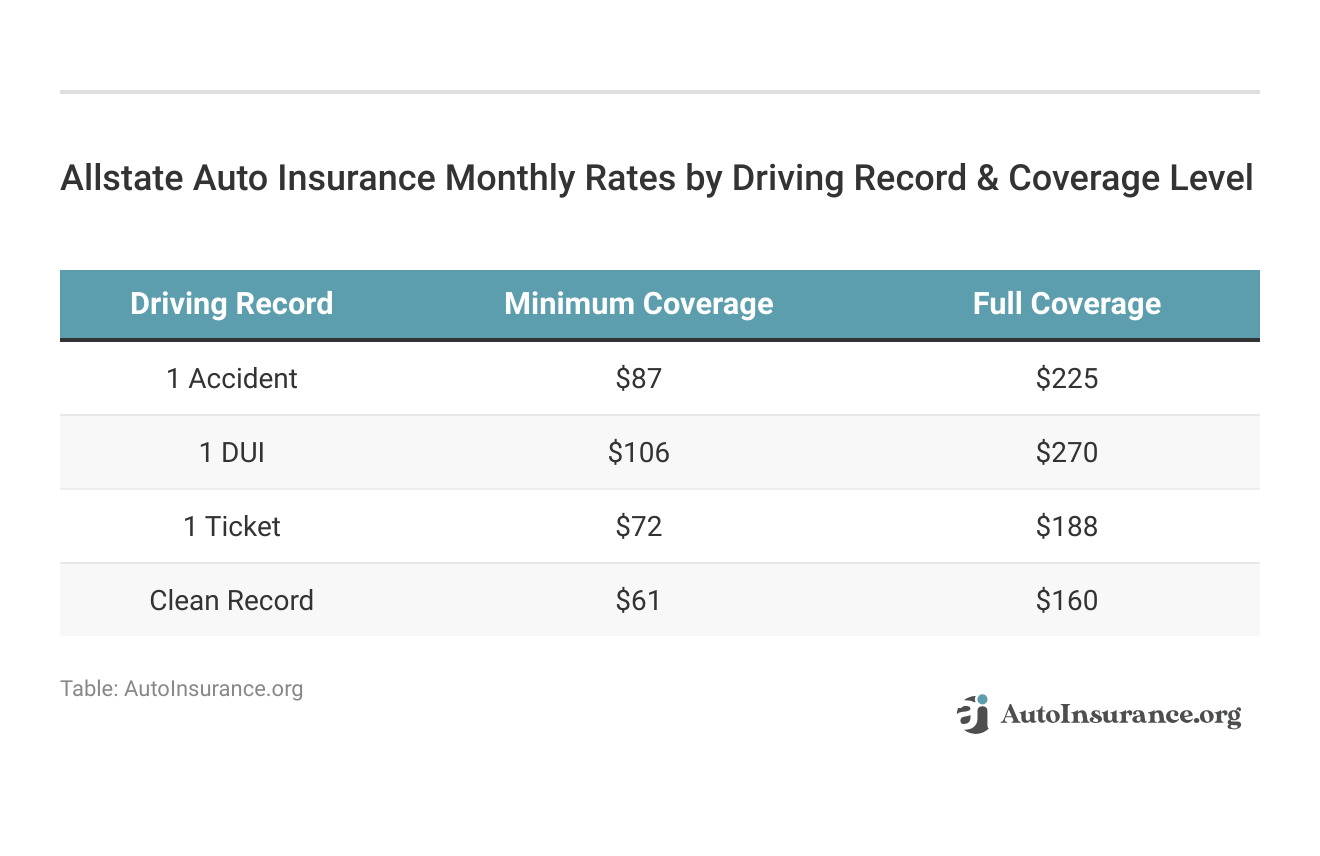
Navigating the terms and conditions of your Allstate auto insurance policy in Warwick, RI, is crucial to maximizing your benefits and coverage. Let’s delve into the specifics to ensure clarity and preparedness.
Every insurance policy is a contract, and understanding the fine print can make a significant difference in your experience as an Allstate customer. From the claims process to policy renewals, each aspect holds its weight in ensuring comprehensive protection.
Decoding the Claims Process
After an accident, knowing what to expect can ease the stress of the situation. The Allstate claims process is designed to be straightforward and supportive:
- Immediately report the accident to Allstate through their 24/7 hotline or mobile app.
- Provide necessary documentation, including police reports and photos of the incident.
- An Allstate adjuster will evaluate the damage and guide you through the next steps.
- You’ll receive updates on your claim status and settlements regularly.
Simplifying Policy Renewal and Adjustments
Keeping your policy current and tailored to your needs is essential. Here’s how Allstate manages renewals and adjustments:
- Renewal notices are sent well in advance of your policy expiration, allowing ample time for review.
- Policyholders can adjust their coverage levels, deductibles, and other features to better fit their evolving needs.
- Discounts and new offers may be available upon renewal, providing opportunities for savings.
Key Policy Clauses You Should Know
Understanding these critical clauses can help you anticipate your coverage limitations and benefits:
- Collision Coverage: Protects against damage from accidents with other vehicles or objects.
- Comprehensive Coverage: Covers non-collision related incidents such as theft or natural disasters.
- Liability Limits: Defines the maximum amount payable for bodily injury or property damage.
- Deductible Amounts: The out-of-pocket cost before insurance coverage kicks in.
“Understanding your insurance policy is akin to preparing for the unexpected – it’s a safety net that empowers you.”
Tips for Selecting the Right Auto Insurance Plan
Selecting the right auto insurance plan can be a daunting task, but with the right guidance, it becomes a rewarding journey towards peace of mind. Let’s unfold some essential tips that will not only save you time but also money as you navigate the options available.
Understanding what to look for in an insurance plan involves evaluating various factors that align with your personal driving habits and financial goals. This ensures that any policy you select offers the protection you need without breaking the bank.
Checklist for Evaluating Auto Insurance Plans
Before diving into the vast ocean of auto insurance options, having a checklist can serve as your compass. This strategy ensures you don’t overlook critical elements while comparing different plans.
- Evaluate the coverage types and limits offered.
- Check the reputation and financial stability of the insurance provider.
- Consider the discounts available and requirements to qualify.
- Assess the insurer’s claim handling process and customer service.
- Review policy exclusions and conditions carefully.
- Analyze the cost versus value, ensuring it fits within your budget.
The Importance of Assessing Personal Needs and Budget
Every driver’s needs are unique, and recognizing this is crucial in selecting an insurance plan that truly fits. Personalization is key to finding a policy that feels custom-made for your life and circumstances.
Start by assessing how much coverage you actually need, which can vary based on factors such as your car’s age, your driving record, and even your daily commute. Next, align this with your financial situation; setting a budget can prevent the selection of a costly plan that might strain your finances.
Resources for Obtaining Quotes and Expert Advice
In today’s digital age, accessing a wealth of information is just a click away. Make use of online resources and expert consultations to understand your options better and make informed decisions.
There are numerous online platforms that aggregate quotes from different insurers, offering a side-by-side comparison. Additionally, engaging with insurance brokers can provide personalized advice and insights that you might not get elsewhere.
Examples of Scenarios to Consider When Choosing a Policy
Real-life scenarios can often illustrate what numbers and statistics cannot. Consider these examples as you weigh your choices:
“Imagine you commute long distances daily and live in an area prone to natural disasters. This might influence you to opt for comprehensive coverage.”
“If you drive an older vehicle that’s not financed, it might make sense to forego collision coverage, focusing instead on liability protection.”
Each scenario, whether it involves urban driving or owning a high-value vehicle, plays a role in crafting a policy that’s as unique as your fingerprint.
Summary
Embarking on your journey to secure the best auto insurance plan doesn’t have to be overwhelming. By choosing Allstate in Warwick, RI, you’re opting for reliability, personalized service, and peace of mind on every mile. Don’t settle for less when it comes to protecting your vehicle and loved ones. Dive into a world of exceptional coverage and let us steer you towards smarter insurance solutions. Join the Allstate family today and experience the difference in quality and care.