Imagine living in a world where your future is as secure as a well-crafted fortress. In Warwick, RI, Allstate Insurance stands as a beacon of hope and stability for many, offering a safety net woven with trust and reliability. From its humble beginnings, Allstate has grown into a powerhouse of protection, delivering peace of mind to countless residents through a wide array of insurance products.
Whether it’s safeguarding your home, your vehicle, or your very life, Allstate’s mission is clear: to provide unparalleled service and support that makes every customer feel safe and valued. With a commitment to excellence and a customer-first approach, Allstate Insurance in Warwick is more than just a company—it’s a community partner that truly cares.
Overview of Warwick RI Allstate Insurance
Situated in the heart of Rhode Island, Warwick RI Allstate Insurance stands as a beacon of trust and security for its residents. Established decades ago, it has evolved to meet the diverse needs of the community.
Warwick RI Allstate Insurance was founded with a commitment to providing comprehensive insurance solutions. Over the years, it has expanded its offerings, ensuring that every aspect of its clients’ lives is well-protected.
Comprehensive Range of Insurance Products
From humble beginnings, Warwick RI Allstate Insurance has grown to offer a robust selection of insurance products. Customers can choose from auto, home, renters, and life insurance, tailored to provide peace of mind. Their auto insurance policies not only cover the basics but also include options for liability, collision, and comprehensive coverage. For homeowners, Allstate offers policies that safeguard against unforeseen events, ensuring that one’s home remains a place of security.
Furthermore, their renters’ insurance provides essential protection for personal belongings, and life insurance options are designed to secure the financial future of loved ones.
Mission and Customer Service Excellence
At its core, Warwick RI Allstate Insurance is driven by a mission to protect customers from life’s uncertainties while providing unparalleled service. The company’s approach to customer service is rooted in empathy and understanding, ensuring that every client feels valued and heard. With a dedicated team of professionals, Allstate is committed to making the insurance experience as smooth and stress-free as possible.
“You’re in good hands” is more than a slogan; it’s a promise to the Warwick community.
| Product | Key Features |
|---|---|
| Auto Insurance | Liability, collision, comprehensive coverage |
| Home Insurance | Protection against natural disasters, theft, liability |
| Renters Insurance | Coverage for personal belongings and liability |
| Life Insurance | Term, whole, and universal life options |
Financial Stability of Allstate Insurance
In today’s dynamic financial world, the stability of an insurance provider is crucial for peace of mind. Allstate Insurance stands as a beacon of reliability, offering its policyholders assurance through robust financial health.
With a legacy of resilience and growth, Allstate showcases financial metrics that underline its capacity to meet obligations and support its clients. Let’s delve into what makes Allstate a financially stable choice in the insurance arena.
Key Financial Performance Indicators
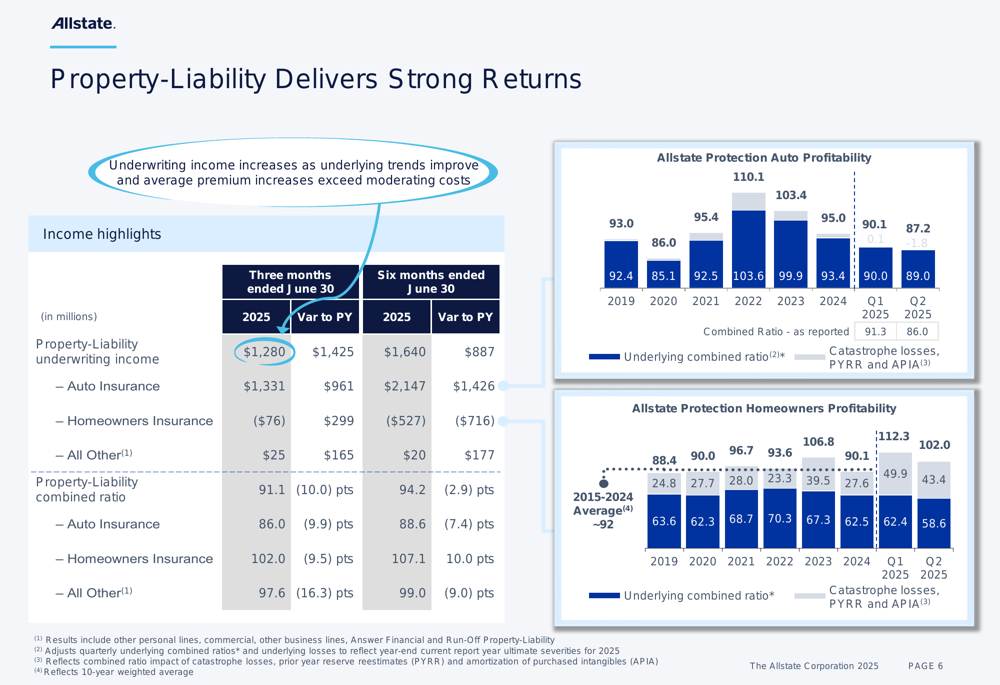
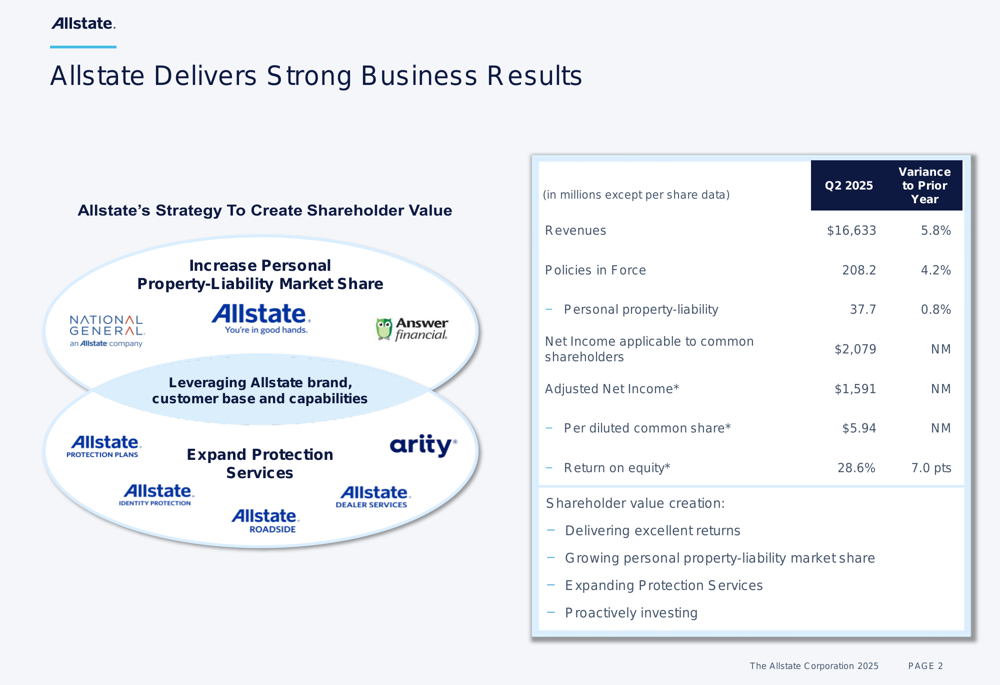
The financial performance of Allstate Insurance is a testament to its formidable presence in the industry. Key indicators such as revenue growth, profit margins, and return on equity (ROE) highlight its strong financial foundation. Revenue has consistently seen upward trends, reflecting Allstate’s capability to not only sustain but thrive amidst economic fluctuations. The company’s profit margin sustains a healthy range, driven by strategic pricing and operational efficiencies. Return on equity showcases Allstate’s ability to generate profits from its shareholders’ investments, affirming its position as a trusted financial entity.
Factors Contributing to Financial Stability
Several strategic elements contribute to the financial fortitude of Allstate Insurance. A diverse product portfolio ensures risk is evenly distributed, minimizing exposure to sector-specific downturns. Moreover, Allstate’s commitment to innovation, particularly in digital transformation, aligns with market trends and enhances customer engagement. The company’s prudent investment strategy further solidifies its stability, as evidenced by a well-balanced and diversified investment portfolio that mitigates market volatility risks.
Comparison of Financial Ratings
When assessing financial stability, credit ratings serve as a critical benchmark. Allstate consistently achieves high ratings from agencies such as A.M. Best, Moody’s, and Standard & Poor’s, reflecting its sound financial practices and robust risk management. To illustrate, consider the following comparison with peers:
| Insurance Company | A.M. Best Rating | Moody’s Rating | Standard & Poor’s Rating |
|---|---|---|---|
| Allstate Insurance | A+ | A3 | AA- |
| Competitor A | A | Baa1 | A+ |
| Competitor B | A- | Baa2 | A |
“The high ratings Allstate consistently receives underscore its financial strength and ability to honor commitments to policyholders.”
As the data suggests, Allstate outperforms or matches its peers in financial ratings, reinforcing its stature as a dependable choice for insurance consumers seeking assurance and security.
Benefits of Choosing Allstate Insurance in Warwick

When it comes to safeguarding what matters most, choosing the right insurance provider is crucial. Allstate Insurance in Warwick offers a range of benefits designed to provide peace of mind and financial security.
As a resident of Warwick, you have access to unique coverage options and services tailored to your needs. Allstate stands out with its comprehensive insurance plans, exceptional customer service, and extensive local expertise.
Comprehensive Coverage Options
Allstate Insurance provides an extensive array of coverage options tailored specifically for Warwick residents. Whether you need auto, home, or life insurance, Allstate has got you covered with policies that are designed to protect you from the unexpected. You can choose from a variety of plans that offer flexibility and customization to fit your unique lifestyle and budget.
Exceptional Customer Service
Allstate is committed to delivering outstanding customer service. Their local agents are not only knowledgeable but also dedicated to ensuring you understand your policy thoroughly. With Allstate, you’re not just getting insurance; you’re gaining a trusted advisor who will be there to assist you at every step of your insurance journey.
Unique Features and Coverage Options
Warwick residents can take advantage of several unique features that Allstate offers. This includes innovative options like the “Claim Satisfaction Guarantee” which promises no hassle service or your money back, and the “Drivewise” program that rewards safe driving habits. These features, combined with traditional coverage options, make Allstate a top choice for insurance.
| Benefit | Service Description |
|---|---|
| Comprehensive Policies | Auto, home, life, and more tailored coverage options. |
| Financial Stability | Backed by a financially stable and reputable company. |
| Claim Satisfaction Guarantee | Ensures satisfaction with your claims experience. |
| Drivewise Rewards | Incentives for safe driving practices. |
| Customized Plans | Flexible options to fit individual needs and budgets. |
Customer Testimonials and Experiences
At the heart of every strong insurance company are the voices of its customers. In Warwick, Allstate Insurance has built a reputation anchored not just on its policies, but on the real-life experiences of those it serves.
Through stories and testimonials, we see the tangible impact of Allstate’s commitment to service and satisfaction. These narratives are not only heartwarming; they play a crucial role in shaping how Allstate continues to improve and innovate its offerings.
Real-Life Stories from Our Customers
Many customers have shared their positive experiences, underscoring the reliability and support provided by Allstate. Take the story of Linda T., who faced an unexpected car accident last winter. “Thanks to Allstate, what could have been a stressful ordeal turned into an incredibly smooth process. Their quick response and comprehensive coverage saved my day!” she shared.
Another customer, Michael R., emphasized the personalized service he received: “When I needed assistance after a storm damaged my property, Allstate was right there. They didn’t just see me as another policy number; they treated me with genuine care and concern.”
Feedback-Driven Improvements
Customer feedback is a cornerstone of Allstate’s service strategy. Each piece of feedback is meticulously analyzed to enhance service delivery continually. Recently, feedback led to the implementation of a more streamlined claims process, reducing wait times and increasing efficiency.
Furthermore, Allstate has introduced new digital tools designed to provide a more user-friendly experience, all based on customer suggestions. This commitment to integrating customer insights into actionable improvements demonstrates Allstate’s dedication to evolving alongside its community’s needs.
Positive Experiences and Satisfaction
Across Warwick, Allstate customers frequently express their satisfaction with the company’s service excellence. Here are a few highlights:
- Responsive Service: “Allstate responded to my claim faster than I expected. Their efficiency was unmatched!” – Sarah K.
- Comprehensive Coverage: “I was covered for more than I thought possible. Allstate really looks out for its clients.” – James B.
- Friendly Agents: “Every interaction with Allstate has been pleasant and professional. Their agents genuinely care.” – Emily C.
Each of these testimonials reflects Allstate’s unwavering commitment to delivering not just insurance, but peace of mind to its customers. By prioritizing customer satisfaction and remaining receptive to their feedback, Allstate continues to foster loyalty and trust in the Warwick community.
Community Involvement and Impact
In the heart of Warwick, Allstate Insurance stands not just as a provider of financial stability but as a beacon of community support and involvement. With a strong commitment to making a difference, Allstate actively participates in various community events and initiatives, fostering a sense of togetherness and shared purpose among residents.
Allstate’s community involvement is diverse and impactful, ranging from education-focused programs to health and safety initiatives. By partnering with local organizations, Allstate ensures that its contributions are both meaningful and sustainable, addressing key areas of need within the community.
Empowering Through Local Partnerships and Initiatives
Allstate’s dedication to Warwick’s community is evident through its numerous partnerships and programs that address local challenges and enhance community well-being. For instance, Allstate collaborates with local schools to support educational programs, providing essential resources and sponsorships for extracurricular activities. This initiative not only boosts the quality of education but also inspires young minds to reach their full potential.
Moreover, Allstate sponsors annual safety workshops in collaboration with the Warwick Police Department, focusing on crime prevention and personal safety. These workshops equip residents with vital knowledge and skills, reinforcing the community’s resilience and preparedness.
Impact on Warwick Residents
The impact of Allstate’s community contributions is profound, as it helps build a stronger, more cohesive community. Residents have expressed gratitude for the positive changes brought about by Allstate’s involvement, citing enhanced educational opportunities and improved safety awareness as key benefits.
By actively engaging with and supporting the Warwick community, Allstate not only enhances its brand reputation but also strengthens the social fabric of the area. This commitment to community well-being underscores Allstate’s holistic approach to being a responsible and caring corporate citizen.
Future Prospects for Allstate in Warwick

As Allstate continues to reinforce its presence in Warwick, the company is poised to unveil a series of initiatives aimed at strengthening its market position. These efforts are set to bring enhanced services and opportunities to the local community.
Allstate’s strategic vision for Warwick includes expanding its service offerings, enhancing customer engagement, and leveraging emerging technologies to deliver superior insurance solutions. These forward-thinking steps are designed to align with the evolving needs of Warwick’s residents and businesses.
Upcoming Plans and Expansions
Looking ahead, Allstate has mapped out a robust expansion plan that will see the introduction of new offices and service centers within the Warwick area. This strategic move aims to improve accessibility and provide personalized services to customers more efficiently. Allstate is also investing in training programs to ensure that their workforce is equipped to handle the complex insurance needs of today’s market.
Challenges and Opportunities in the Local Market
Operating in Warwick presents both challenges and opportunities for Allstate. The competitive landscape requires constant innovation and customer-centric solutions. However, this environment also provides the chance for Allstate to distinguish itself through superior service and strong community ties. The company sees a significant opportunity to harness data analytics to better understand and meet customer expectations, ultimately driving growth and loyalty.
Strategic Goals Timeline for Warwick
To effectively capture market opportunities and navigate challenges, Allstate has devised a timeline outlining its strategic goals for the Warwick region:
- 2024: Launch two new service centers in key locations.
- 2025: Implement advanced AI-driven analytics to enhance customer experience.
- 2026: Expand the workforce with a focus on local talent, offering comprehensive training programs.
- 2027: Achieve a milestone of serving over 10,000 policyholders in Warwick.
“Our commitment is to fuse innovation with community values, ensuring that our growth in Warwick is both sustainable and impactful.” – Allstate Leadership
Conclusion
In a world full of uncertainties, having a steadfast ally like Allstate Insurance in Warwick, RI, can make all the difference. With a strong foundation of financial stability and a heart for community involvement, Allstate continues to pave the way for a brighter, more secure future. As you consider your insurance needs, remember that choosing Allstate means choosing peace of mind, quality service, and a commitment to your well-being. Isn’t it time you joined the Allstate family?